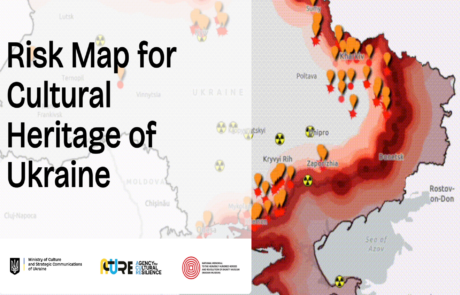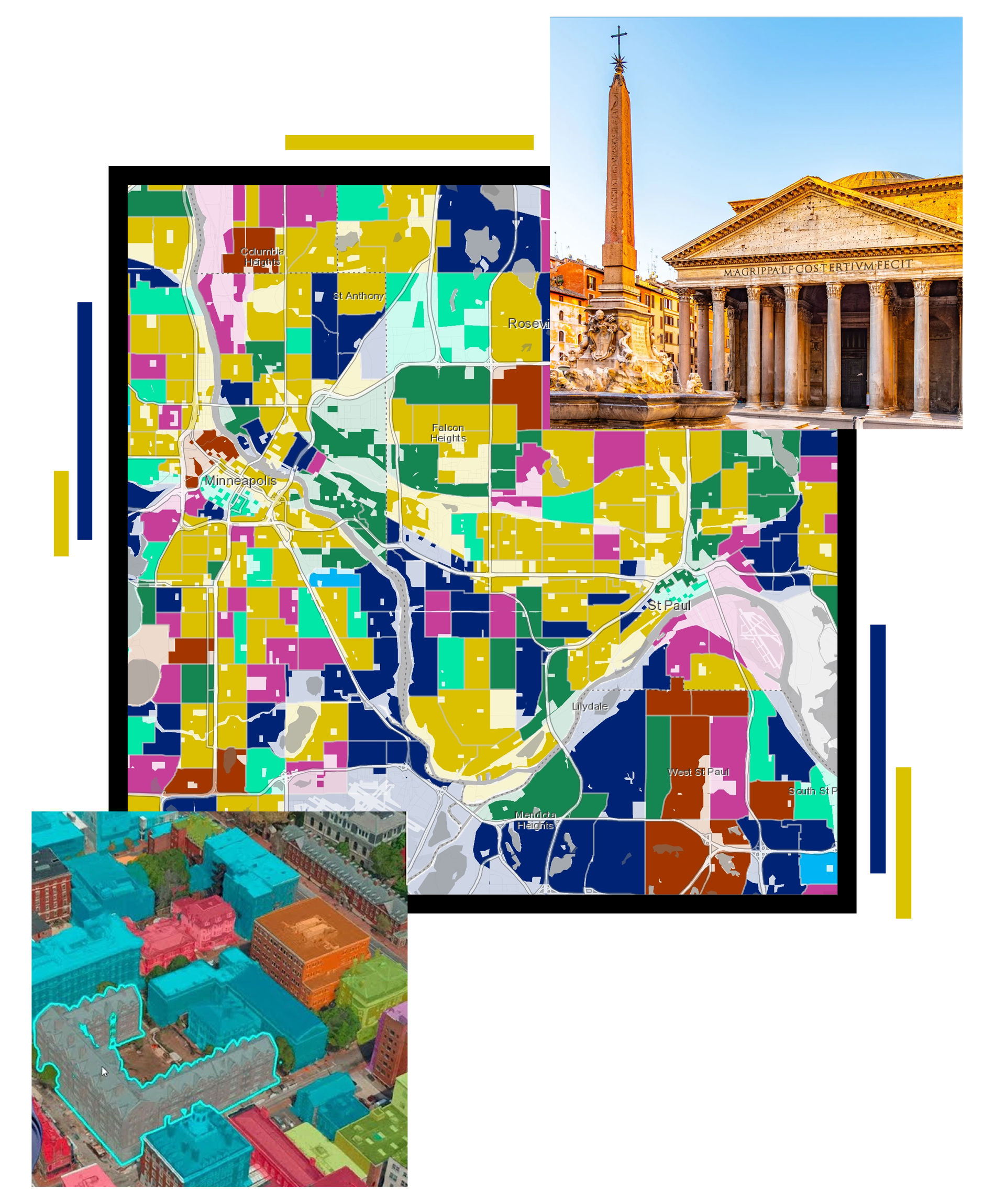
GIS for Cultural Heritage is an essential tool for the conservation and management of cultural assets. It also provides advanced tools for mapping, analysis, and visualization of heritage. In this way, historic sites, monuments, and landscapes can be documented accurately and systematically. As a result, preservation interventions become more targeted and efficient.
First, GIS facilitates the digital cataloguing of cultural assets. For this reason, information becomes easily updatable and accessible over time. Moreover, the integration of territorial data makes it possible to analyze the environmental, urban, and landscape context in which an asset is located. Thus, management becomes more informed and coordinated.
Subsequently, GIS technology enables the creation of detailed 3D models and digital reconstructions of sites. In this way, it is possible to support restoration projects, research activities, and enhancement initiatives. At the same time, digital models promote educational applications and virtual tourism experiences. As a result, heritage becomes accessible even remotely.
In parallel, GIS expands data accessibility through interactive maps and platforms. For this reason, citizens, students, and visitors can explore content in a simple and engaging way. In addition, these solutions encourage community participation and strengthen the connection with the territory.
Finally, the integration of GIS into enhancement projects makes it possible to combine protection, promotion, and sustainability. In summary, GIS for Cultural Heritage ensures protection, accessibility, and continuity over time. It also promotes cultural awareness and education at both local and global levels. At the same time, it enables more transparent, shared, and responsible management of cultural assets, creating lasting value for future generations and for territories.