GIS for National Statistics strengthens statistical systems through location-based digital tools. In addition, it improves the accuracy of data collection, analysis, and dissemination during the pre-enumeration, enumeration, and post-enumeration phases. In this way, information becomes more consistent, verifiable, and comparable over time.
First, the creation of a geodatabase in a GIS environment makes it possible to organize spatial data within a structured repository. Consequently, data storage becomes more orderly and management more efficient. Moreover, the geodatabase enables quality controls, validation rules, and versioning. Thus, errors, duplications, and inconsistencies in statistical data are reduced.
Subsequently, the development of real-time monitoring tools makes it possible to detect changes as they occur. For this purpose, technologies such as GPS and IoT are used. In this way, information flows remain continuous and up to date. Administrations can therefore react more promptly.
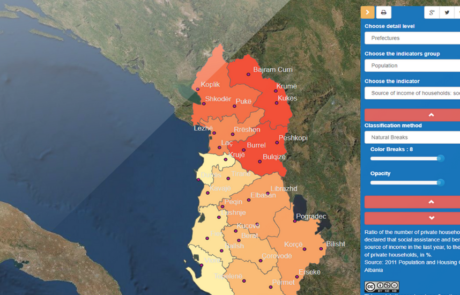
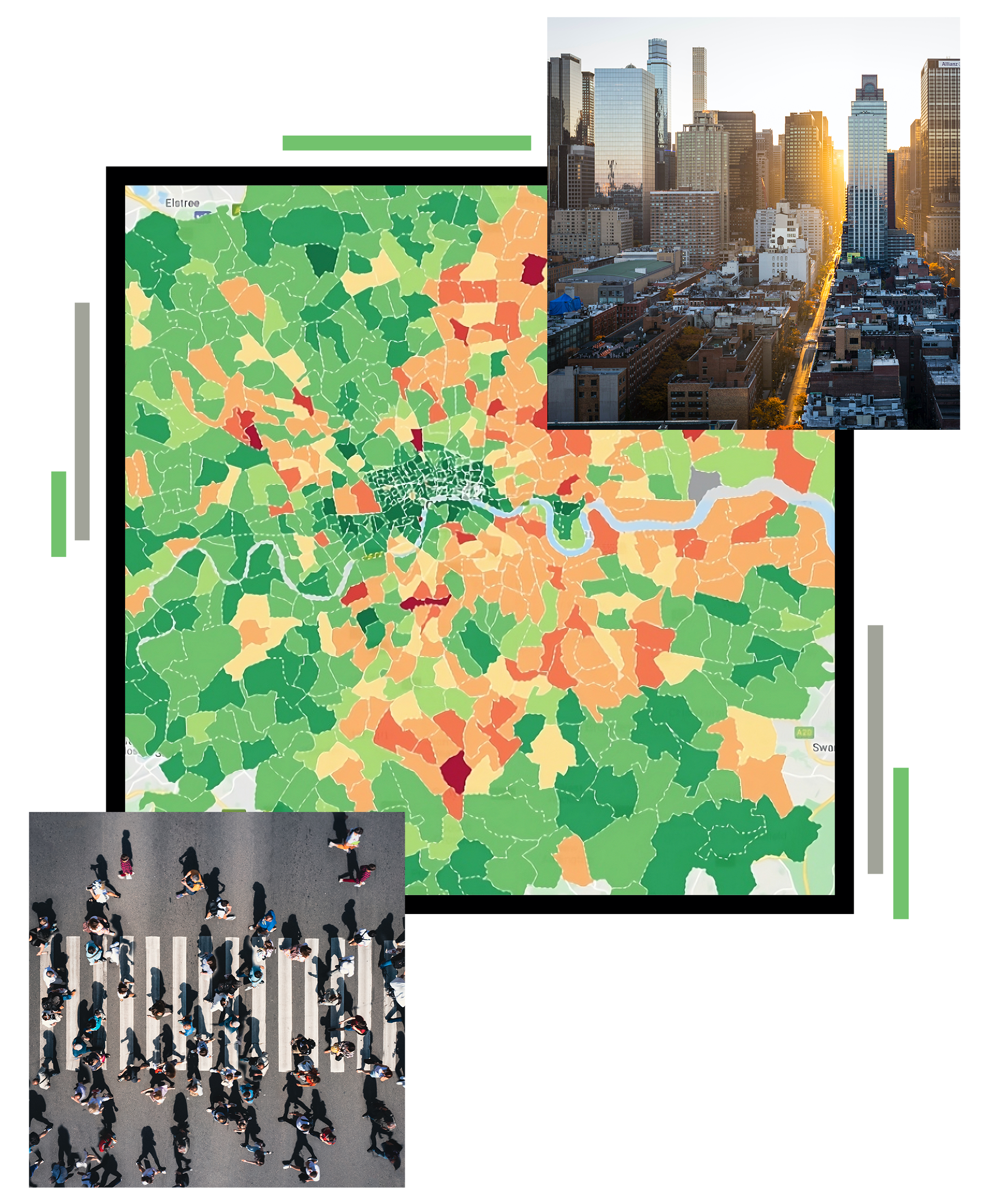
In parallel, visualization tools transform raw data into clear maps, charts, and dashboards. As a result, it becomes easier to identify patterns, trends, and anomalies. In addition, the communication of results is more effective, even for non-technical users.
Finally, the implementation of web applications for data dissemination allows access to, sharing of, and interaction with territorial information. For this reason, data reach is expanded and usability improved. At the same time, the transparency of statistical processes increases.
In summary, GIS for National Statistics today represents a strategic infrastructure for data quality, operational continuity, and support to public policies based on reliable and up-to-date territorial information. These tools now enable faster analyses, more precise controls, more robust planning, better-founded decisions, shared processes, clear responsibilities, stable institutional cooperation, system integration, methodological harmonization, comparison among territories, continuous evaluation, and overall continuous improvement.