GIS for International Cooperation and MEAALs (Monitoring, Evaluation, Accountability, Advocacy,Learning and sharing) supports the efficient use of resources in development contexts. In addition, it strengthens decision-making through the integration of spatial data. In this way, development actors can plan more targeted and coherent interventions.
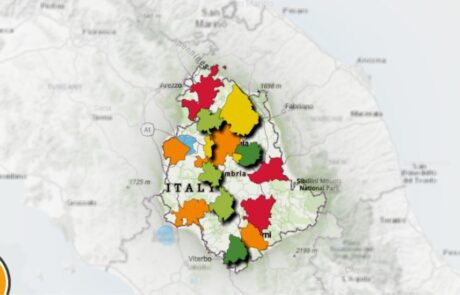
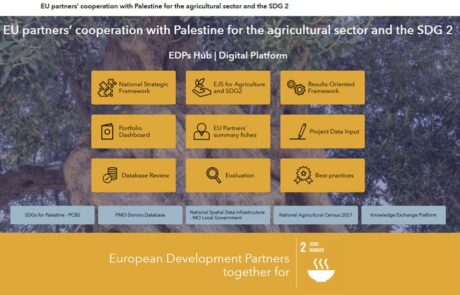
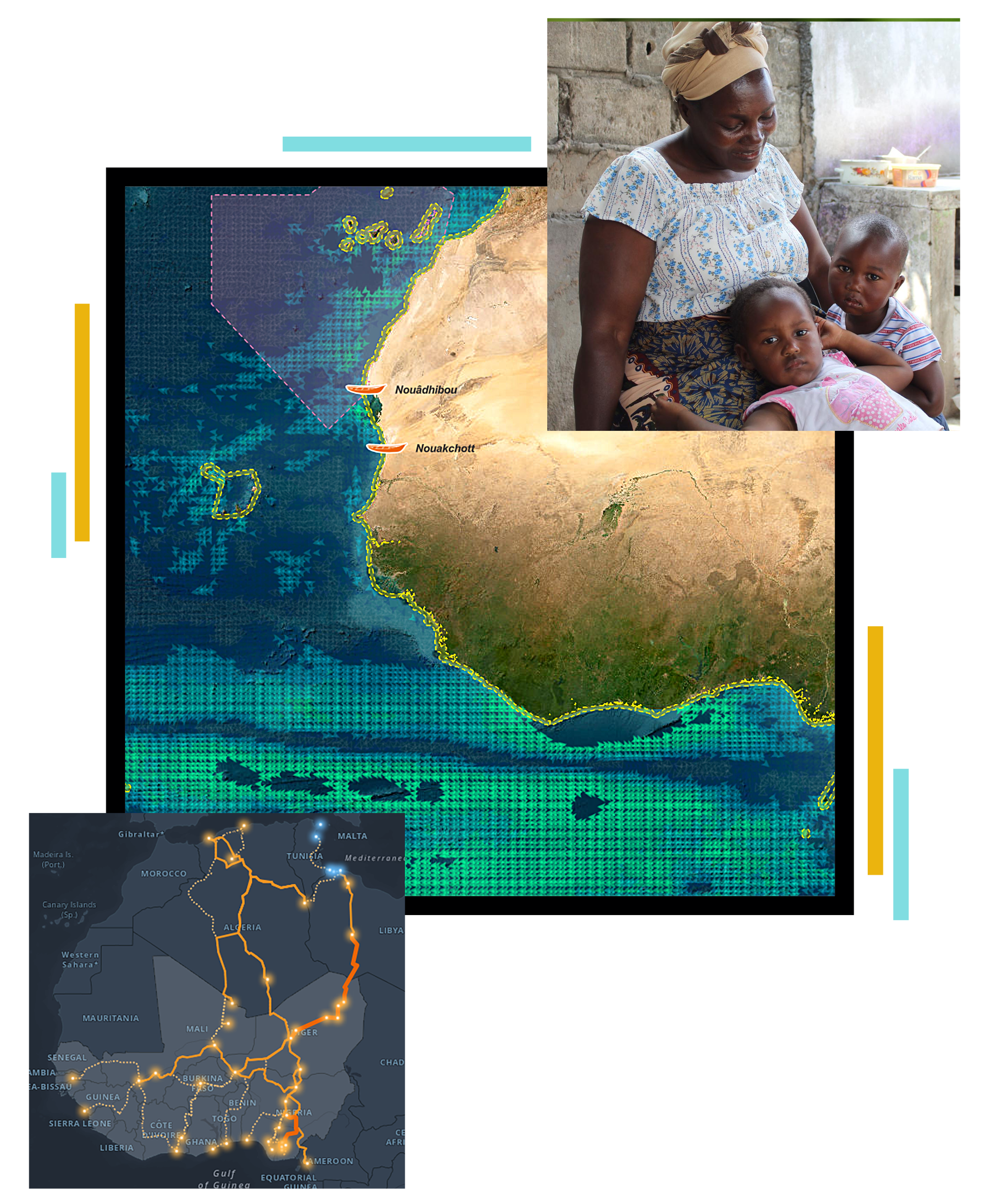
First, integrated Web GIS systems make it possible to organize data, activities, and indicators within a single operational environment. As a result, project planning becomes clearer and more shared. Moreover, continuous monitoring of the project life cycle makes it possible to verify progress, delays, and critical issues in real time.
Subsequently, the measurement of change through indicators provides objective metrics for performance evaluation. For this reason, results become comparable over time. At the same time, impact evaluation strengthens the credibility of interventions. Indeed, it demonstrates a commitment to tracking progress and adapting to emerging needs.
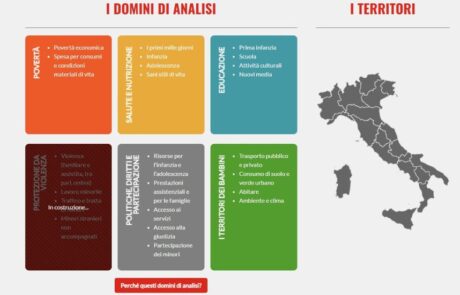
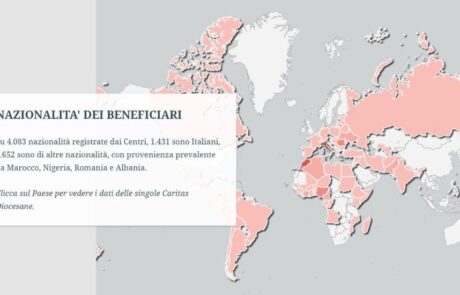
In parallel, data visualization facilitates communication with partners and stakeholders. In this way, the tangible results of efforts become clear and verifiable. In addition, information sharing increases the reliability of programs and strengthens trust among the actors involved.
Finally, data-driven storytelling makes it possible to tell success stories. As a result, it fosters a sense of community and spreads positive examples. At the same time, understanding the improvements achieved enhances future effectiveness. For this reason, strategies and practices can be continuously refined based on acquired experience.
In summary, GIS for International Cooperation and MEAALs integrates planning, monitoring, evaluation, and communication within a single operational framework. Therefore, it improves the quality of decisions, optimizes the use of resources, and strengthens the impact of development interventions. Moreover, it promotes coordination between local and international actors, process transparency, continuous learning, shared accountability, and the long-term sustainability of initiatives for resilient and inclusive communities, for the lasting benefit of social ecosystems.