A course at the Apulia Digital Maker Technical Institute to train professionals in agriculture 4.0
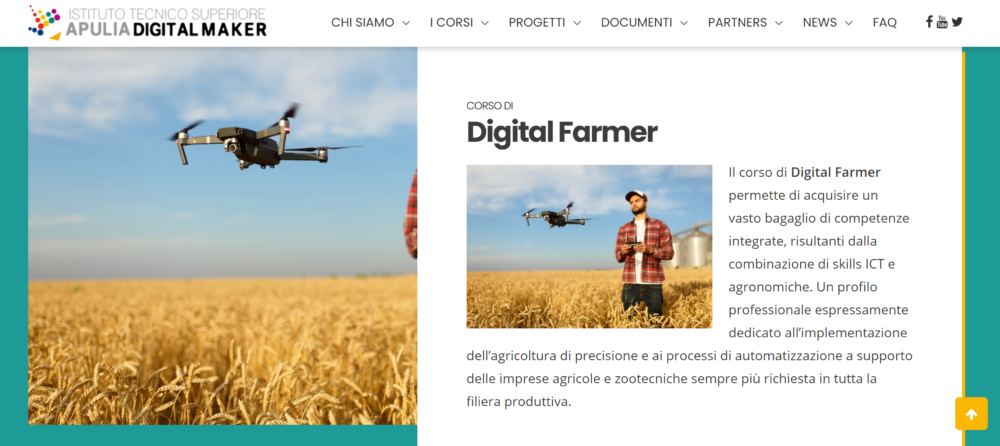
ITS Apulia Digital Maker has entrusted gisAction with some of the teaching for its Digital Farmer course, thanks to the company’s expertise and experience in Geographic Information Systems, remote sensing data analysis, precision farming, and environmental monitoring.
Requirements: Digital Farmer Course
Among the training activities offered by ITS Apulia Digital Maker in Foggia, the Digital Farmer course aims to train highly specialized professionals in the use and development of innovative technologies and physiological-environmental monitoring methods.
The profile that emerges is that of an agriculture 4.0 professional capable of using technologically advanced systems and devices such as GIS tools, drones, sensors, IoT, and machine learning.
The goal is to provide a set of integrated skills—resulting from the combination of ICT and agronomic skills—to work in the world of precision farming, environmental monitoring, forest conservation, and the agri-food processing chain.
Solution: GIS teaching
gisAction was integrated into the project for teaching activities. Thanks to their expertise and experience in Geographic Information Systems, remote sensing data analysis, and the use of mobile applications in precision agriculture and environmental monitoring, gisAction staff taught the following courses for the 2016/2018 and 2017/2019 academic years:
- Structure, functions, and modeling of vector territorial data;
- Elements of cartography and geothematics, webGIS systems;
- Monitoring of production yield parameters and data acquisition;
- IoT, drones, big data, and analytics;
- Development of IT systems for agriculture;
- Production forecasts and resource optimization.
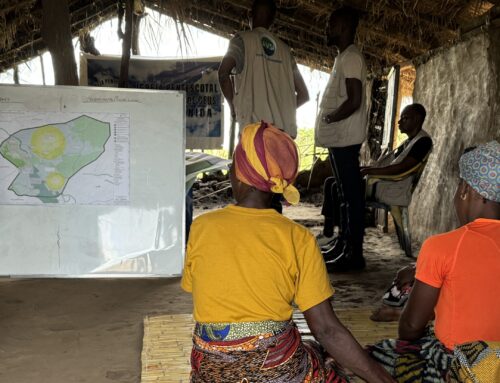
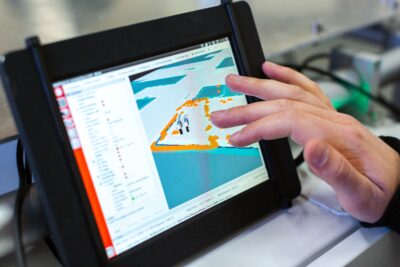
The lessons took place in the institute’s laboratories and in the field on the plots of partner farms.
Benefits
Students have acquired the skills necessary to exploit the potential of Geographic Information Systems, technologies, and crop monitoring techniques to their advantage in a professional context. This knowledge is fundamental for the development of a professional profile that is increasingly in demand throughout the production chain.