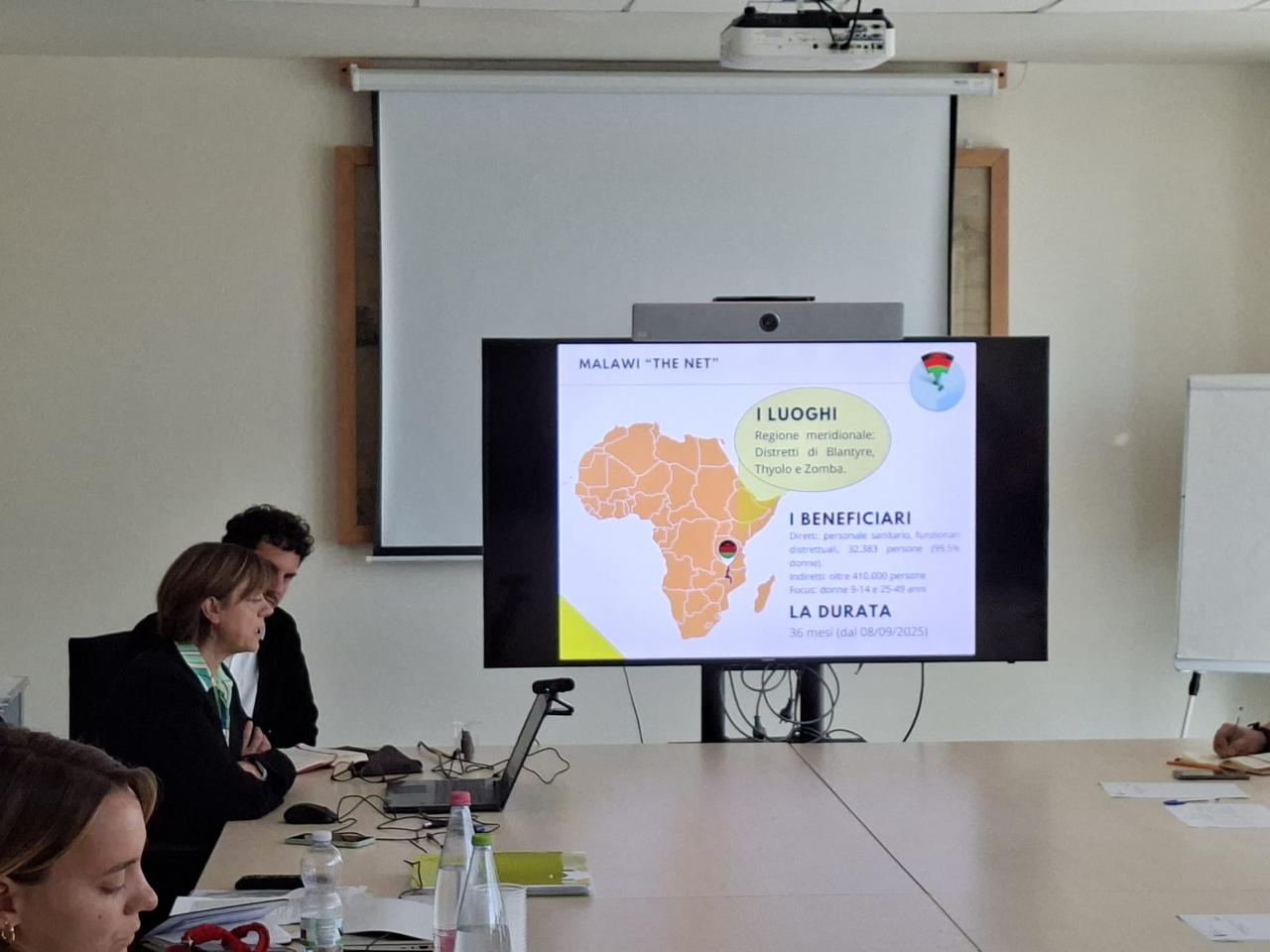
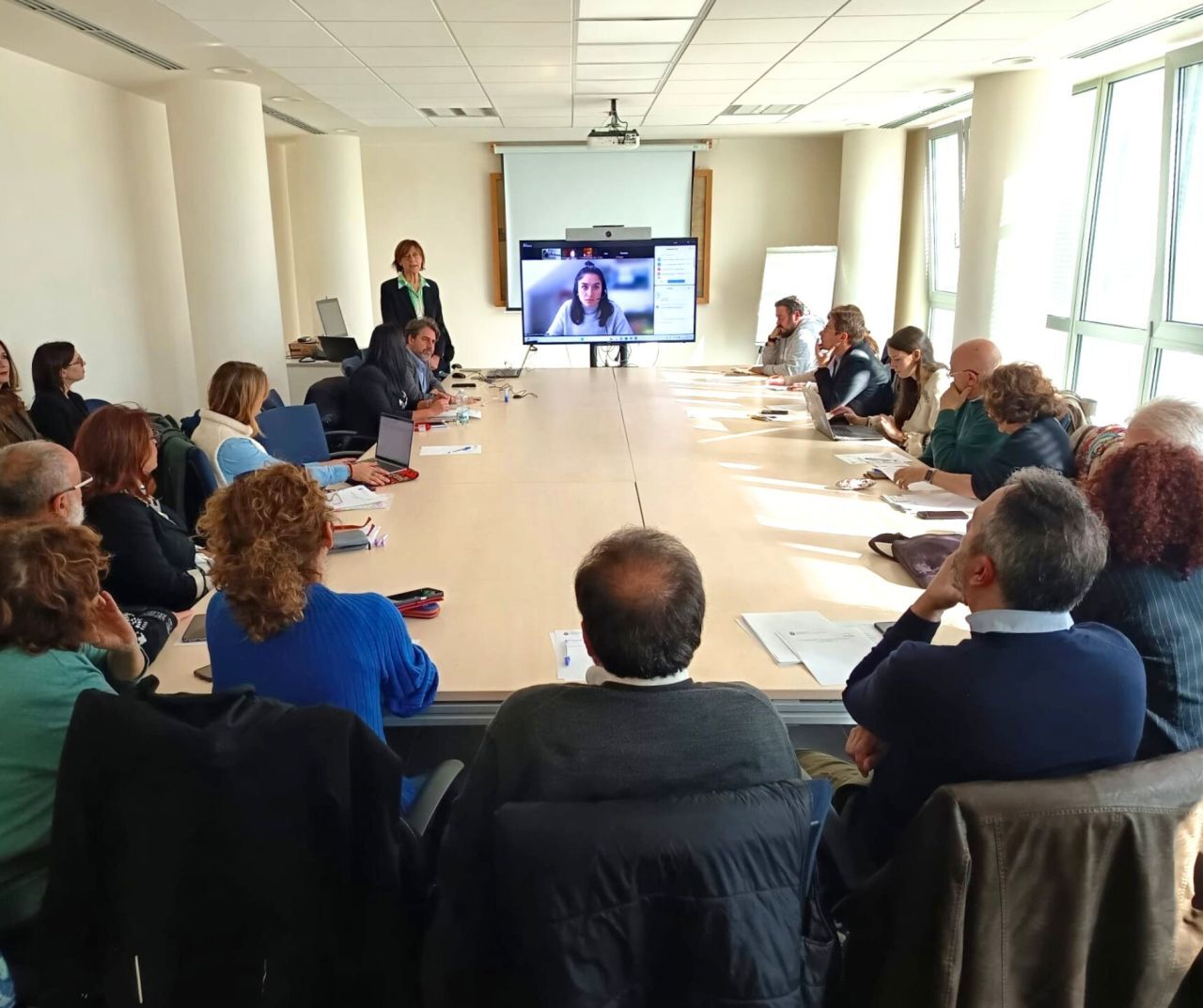
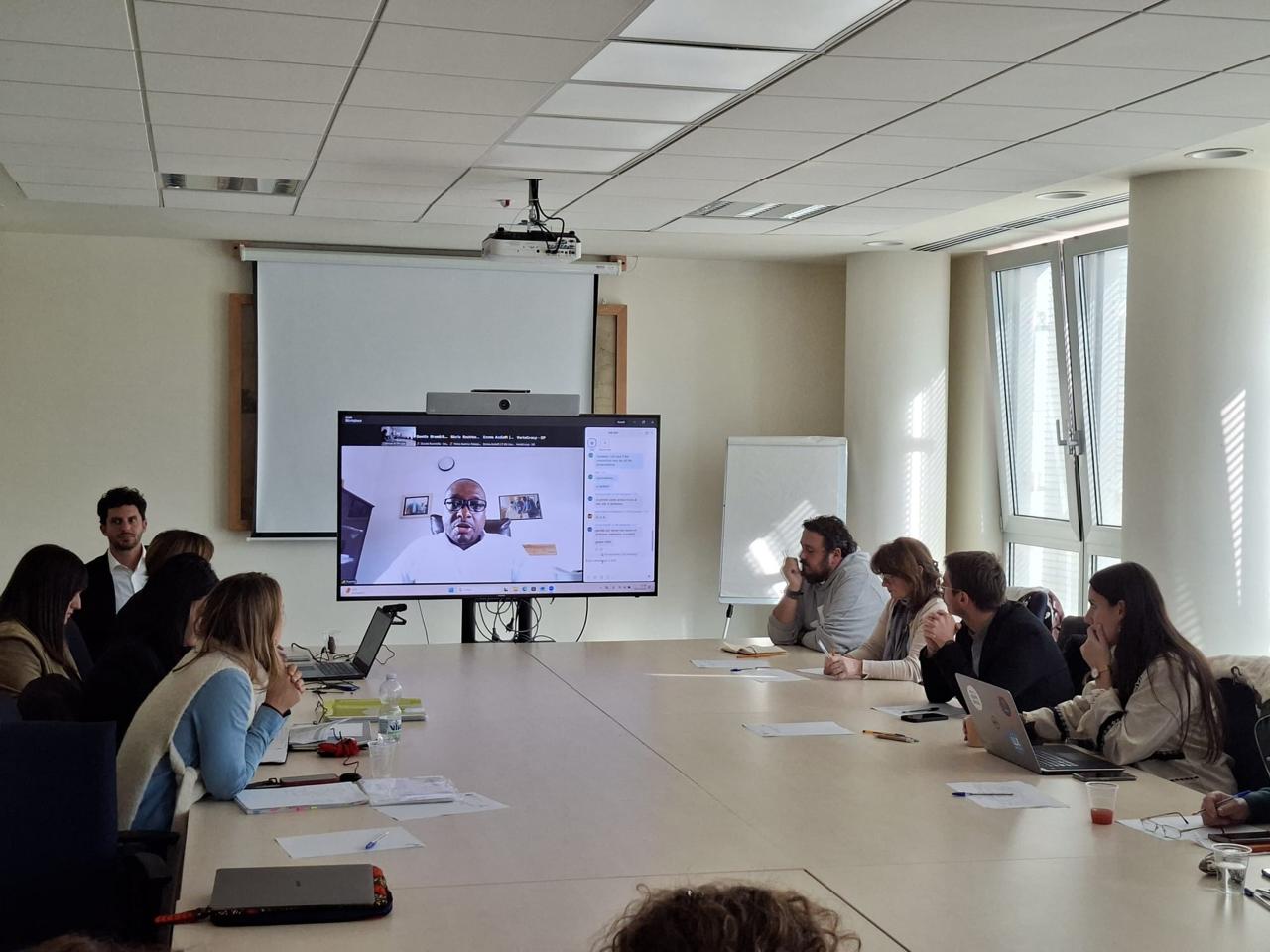
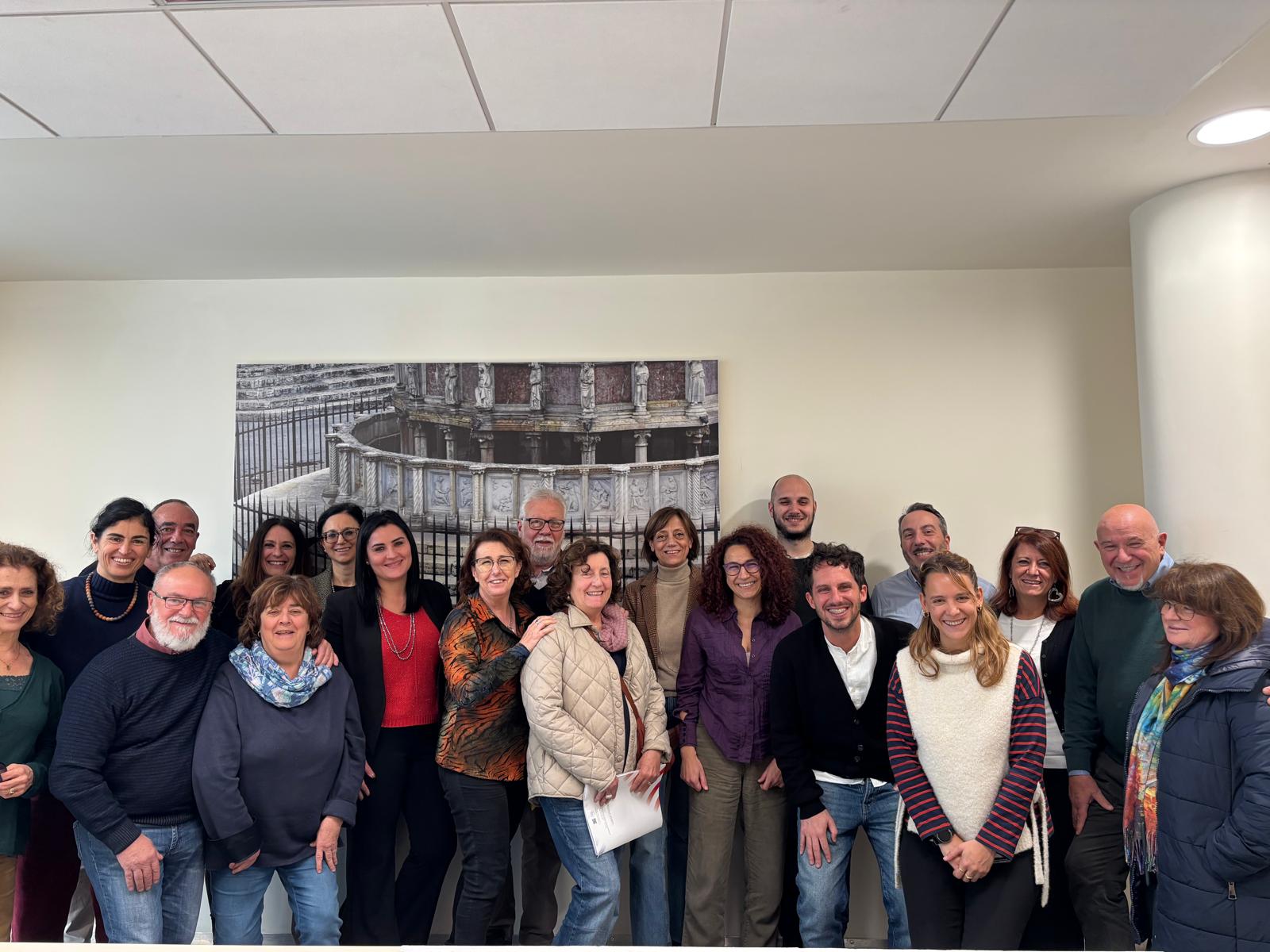
Modern international cooperation increasingly relies on infrastructure, organization, and, more and more often, on data, technology and Health intelligence. One example is “THE Net” (Strengthening Governance for Women’s Cancer Prevention in Malawi), a project co-funded by AICS. The initiative features the Municipality of Perugia as the lead partner of a robust network that brings together the Umbria Region, the Umbria 1 and 2 Local Health Authorities, the Blantyre Department of Health (Malawi), Felcos Umbria, the L’Albero della Vita Foundation, Pathologists Across Borders (APOF), the Breast Cancer and Care Foundation, the Community of Sant’Egidio (DREAM centers), and gisAction, a brand of TeamDev, as a technological and strategic partner. The mission to Blantyre, which took place in February 2026, marked the start of field activities.
The project: women’s health at the center
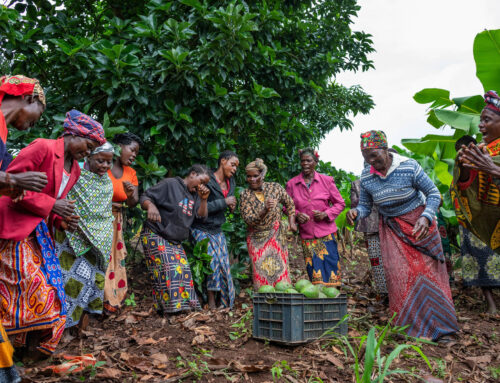
“THE Net” combats cervical and breast cancer, which are major public health emergencies in Malawi. The program targets girls aged 9 to 14 (HPV vaccination) and women aged 25 to 49, improving access to screening and early diagnosis. To reach isolated rural areas, the project uses mobile clinics and outreach campaigns, settings where logistical optimization and local knowledge are critical to the success of the initiative.
The solution: WebGIS for Health Intelligence
In this ecosystem, the technology component plays a direct role in the project’s strategic governance as a consortium partner. The Health Intelligence Platform designed overcomes the fragmentation of local paper-based records and brings together complex and misaligned geographical areas (administrative, health, and traditional village boundaries), translating the data into maps of trends and distributions of phenomena, and into interactive dashboards to support decision-making by the Department of Health and its partners.
The technology stack used
The architecture is based on an interoperable ecosystem of tools that work together to manage the entire data lifecycle. Guided by the principle of leveraging existing resources and facilitating innovation, the Web GIS platform, which uses ArcGIS as its core tool, also integrates data from traditional sources or those already familiar to stakeholders, such as KoboToolbox and standardized Excel templates, thereby streamlining the innovation process and supporting spatial analysis, geoAI, and visualization tools for innovative decision-making. Information is collected in the field via KoboToolbox and standardized Excel templates, then integrated, synchronized, and normalized through a connector we developed for ArcGIS Online. Cartographic processing, spatial analysis, and secure access control rely on the ArcGIS Online cloud framework, which also enables real-time visualization and impact communication through ArcGIS Dashboards and ArcGIS StoryMaps.
The Benefits of Geographic Information Systems
The geospatial approach we intend to develop is expected to have tangible impacts on multiple levels:
- Optimizing Mobile Clinics: By cross-referencing the locations of isolated communities, the road network, and high-resolution demographic data, we maximize healthcare coverage across the region.
- Vulnerability Analysis: The integration of ancillary data identifies the logistical and environmental factors that hinder access to care.
- Follow-up Assurance: Dashboards provide a clear overview over time of a set of metrics that help improve the service offered.
- Advocacy and Storytelling: ArcGIS StoryMaps will be created to communicate results in a professional and official manner, facilitating dialogue with international partners.
- Autonomy and Sustainability: The transfer of expertise ensures that the platform remains a permanent asset of the local Department of Health even after the project concludes.
Who we’ve worked with
The Italian Agency for Development Cooperation (AICS) is the public body responsible for implementing Italy’s policies on international cooperation and humanitarian aid. Established in 2016, it promotes sustainable development, poverty reduction, the protection of human rights, and institutional strengthening in partner countries. It operates under the supervision of the Ministry of Foreign Affairs and International Cooperation (MAECI).