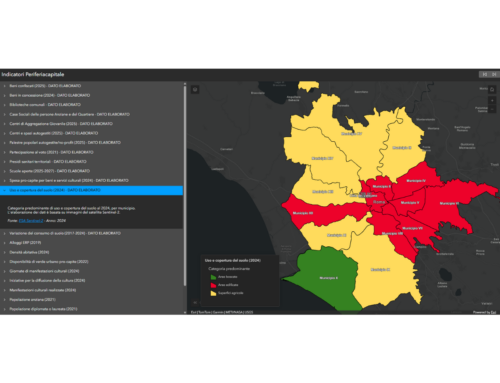
In the regions of Gao and Timbuktu in northern Mali, local development programs work with many partners at once: farmers’ organizations, municipalities and providers of basic social services. Knowing what is working, where and for whom is essential, both to guide decisions and to account for how resources are used. Yet this kind of information is often spread across reports, spreadsheets and field notes, and rarely shows the full picture. Good knowledge management starts with bringing it together.
Between 2020 and 2022, as part of the LuxDev work on the EU-funded MLI/804 initiative,“Support for Local Economic Development and Conflict Prevention in Gao and Timbuktu regions”, known as ADEL, the program’s monitoring system became a digital, map-based tool for monitoring, evaluation and knowledge management, shared by its teams and partners.
Monitoring and evaluation: knowing what works, where and for whom
Programs that support local economies in fragile areas need to know whether their efforts are reaching people. Are farmers’ organizations growing stronger? Are young people finding work? Are local social services improving? Answering these questions requires regular, reliable information.
Monitoring matters for another reason too: accountability. Partners, municipalities and the communities they serve all have a stake in knowing how money is invested and what it achieves. Clear, shared information builds trust between them.
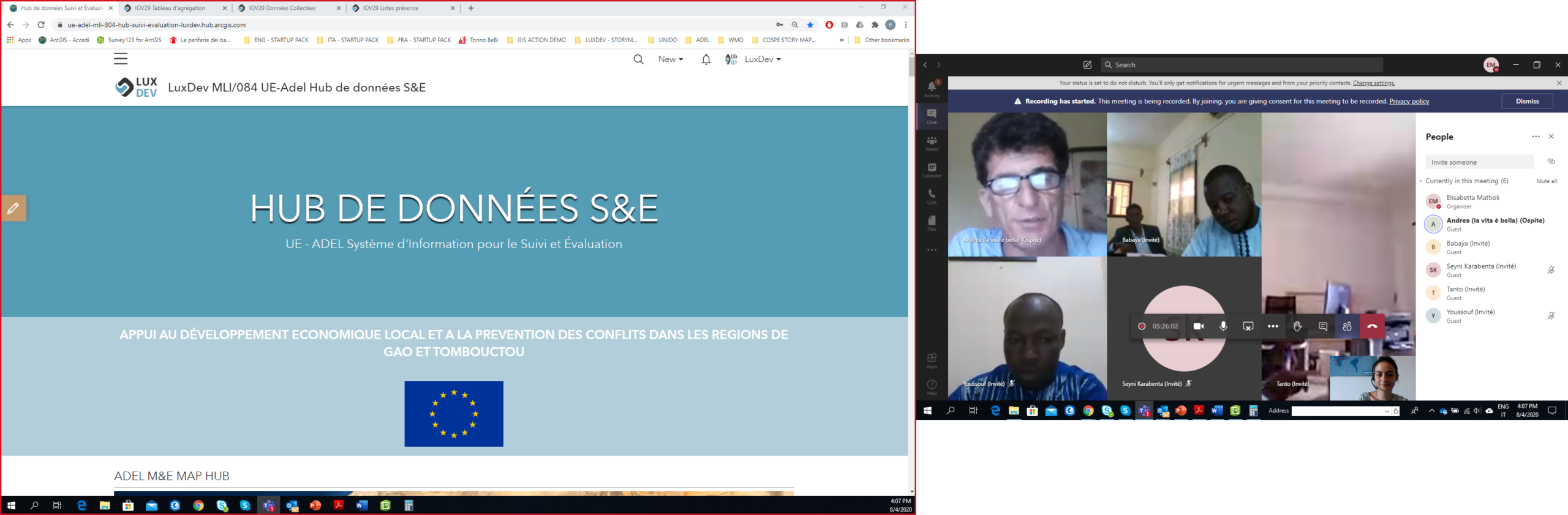
Thirteen indicators and a map
The system collects data on 13 key indicators that measure the program’s progress. It also places on a map:
- The organizations supported by the program
- The results they achieve
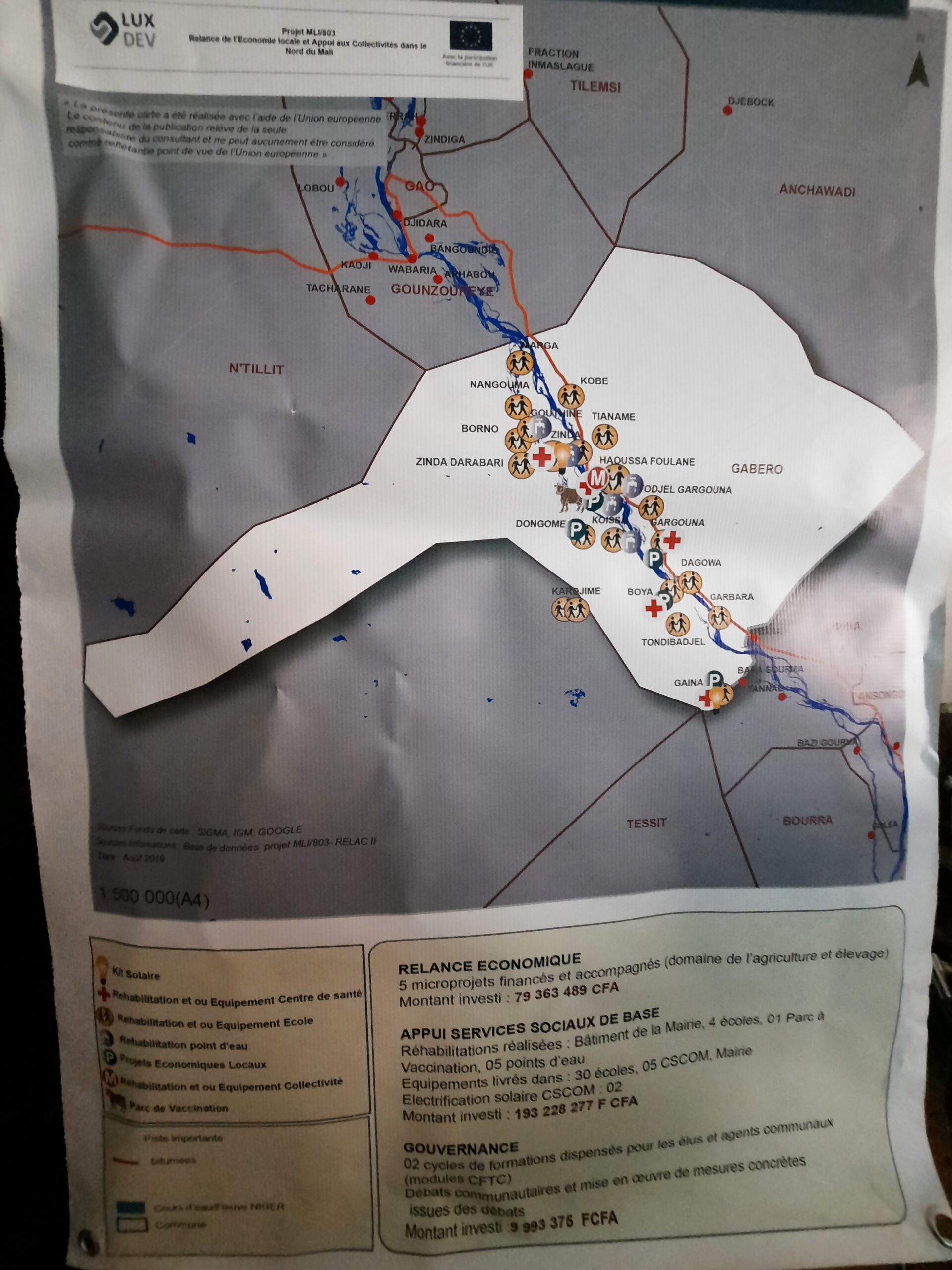
- The investments made and the infrastructure built
Seeing this information on a map makes it easier to understand where the program is active and how its results are spread across the territory.
From scattered reports to one shared portal
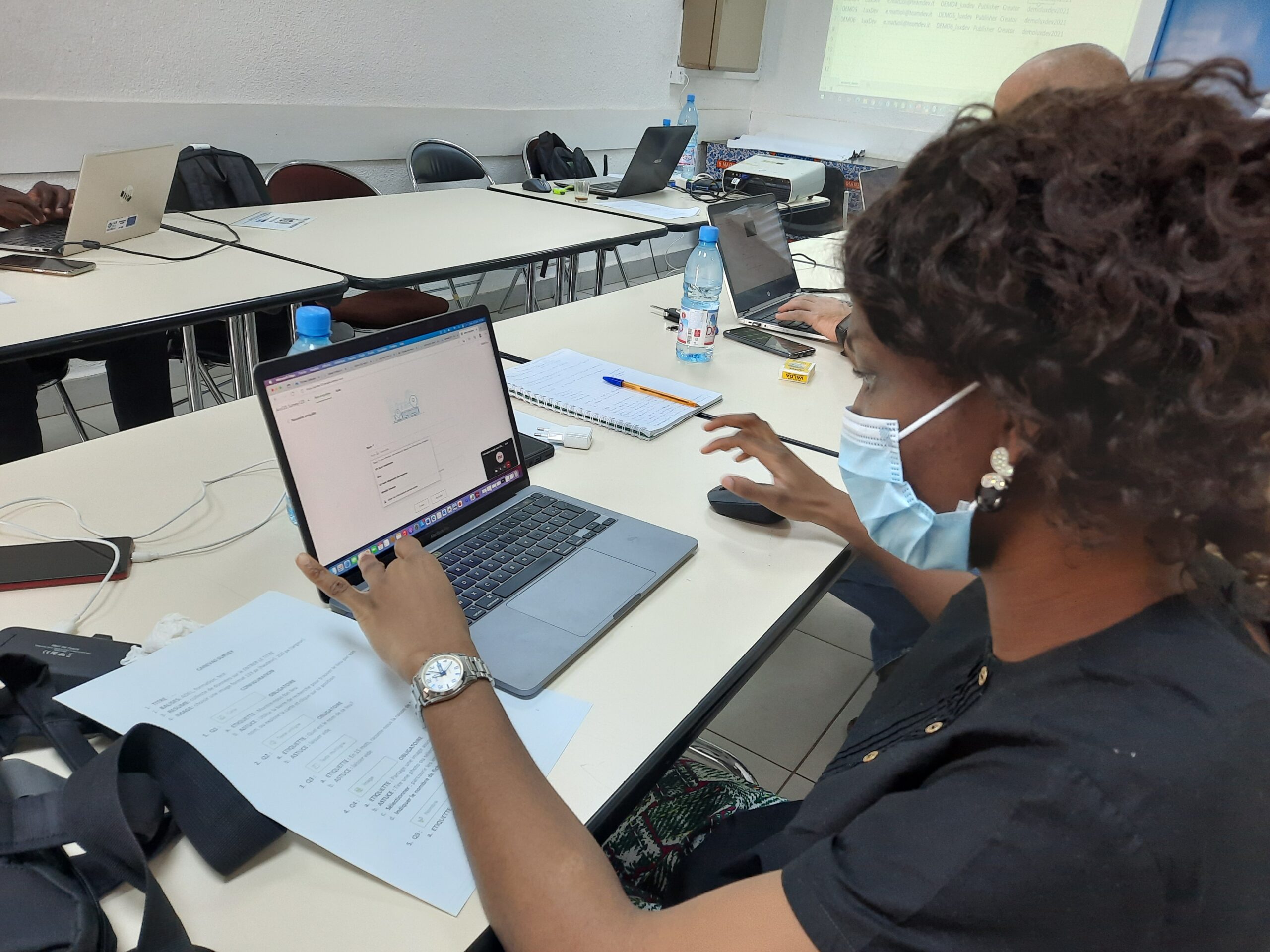
The monitoring and evaluation tools were designed together with the ADEL team, so that the move to digital fitted the way the program already worked. Forms were set up to collect information in the field, along with tools to process it.
Everything was then brought together in a single online portal, where data appears as maps and interactive charts. Program staff and decision-makers can follow progress as it happens, without waiting for periodic reports. The system is built on ArcGIS, a mapping platform used by public bodies and organizations around the world.
The system was not built once and left alone. Over the course of the project, it was adjusted and improved based on experience in the field and on what the teams learned along the way.
Knowledge capitalization: keeping the lessons from the field
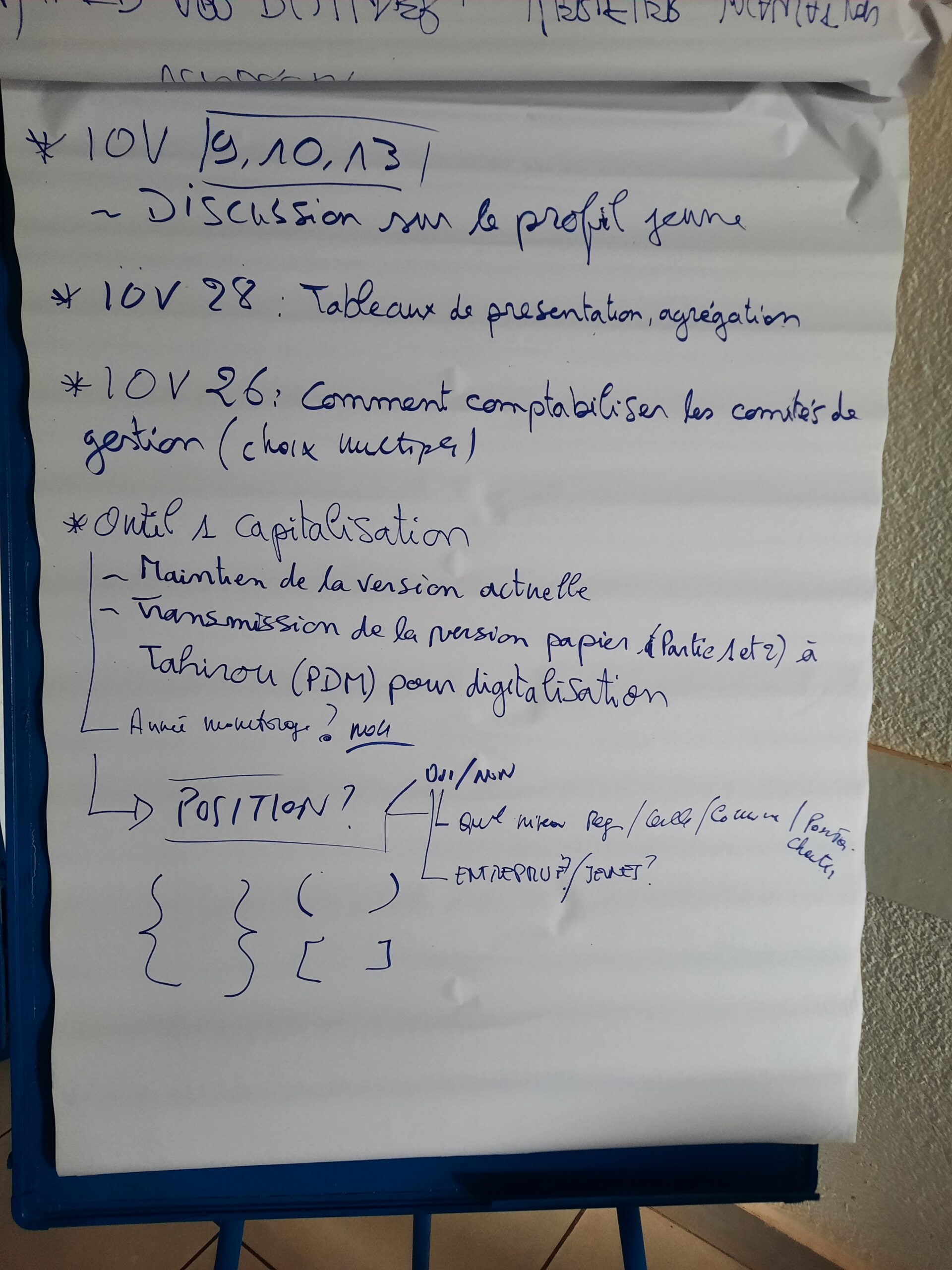
Beyond tracking numbers, the program wanted to capitalize on what it learned, a core part of knowledge management. Tools were developed to record lessons from the field, especially from the work supporting farmers’ organizations, youth employment and basic local social services. These lessons can help shape future activities and make it easier to repeat what works in other places.
Accountability everyone can see
Accountability was built into the system from the start. Procedures and tools were designed with the program so that partners, municipalities and other stakeholders can see how the work is progressing. Communication tools were also added, so that results can be shared clearly beyond the project team.
Knowledge transfer: from trained team to trainers
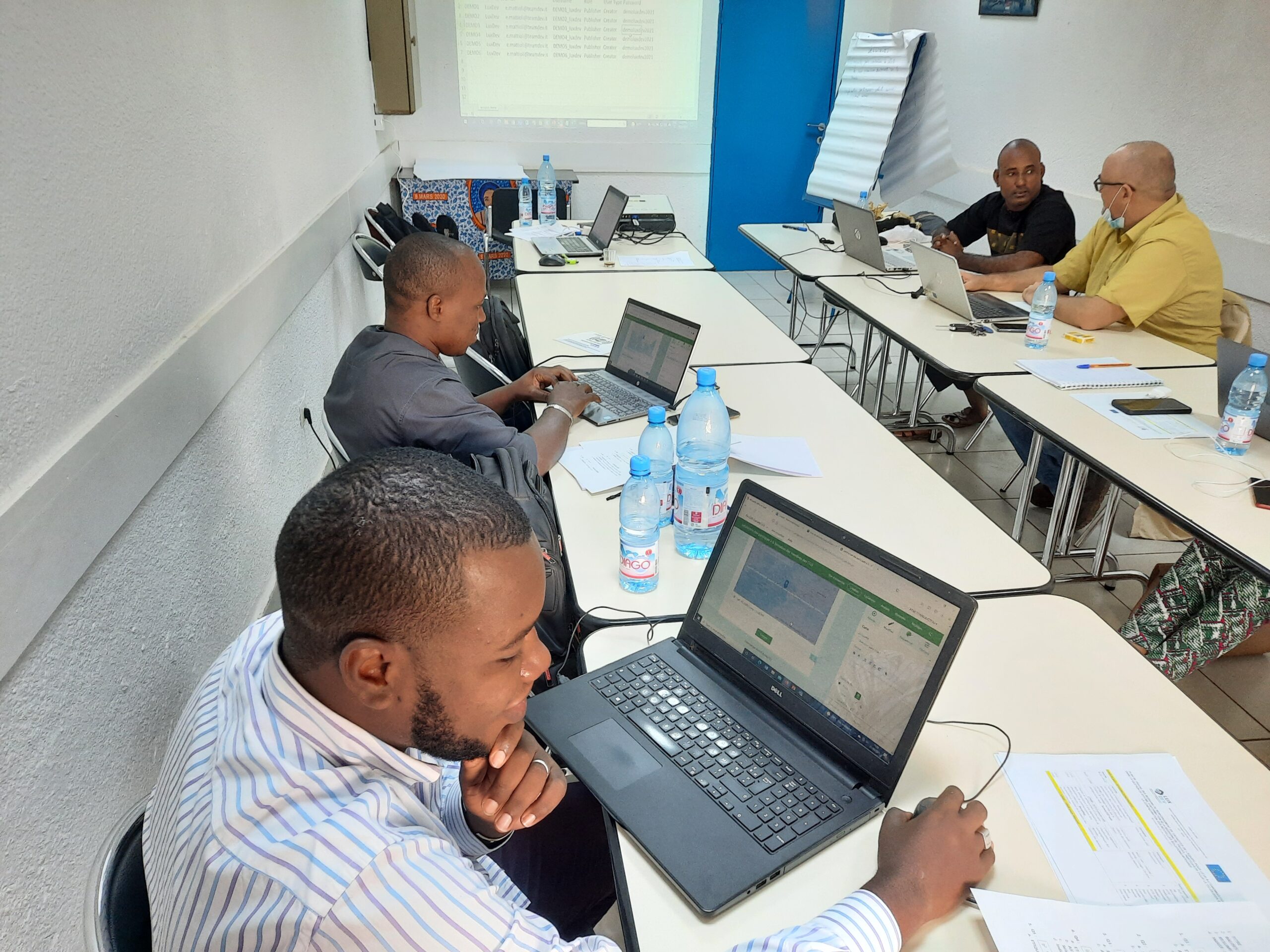
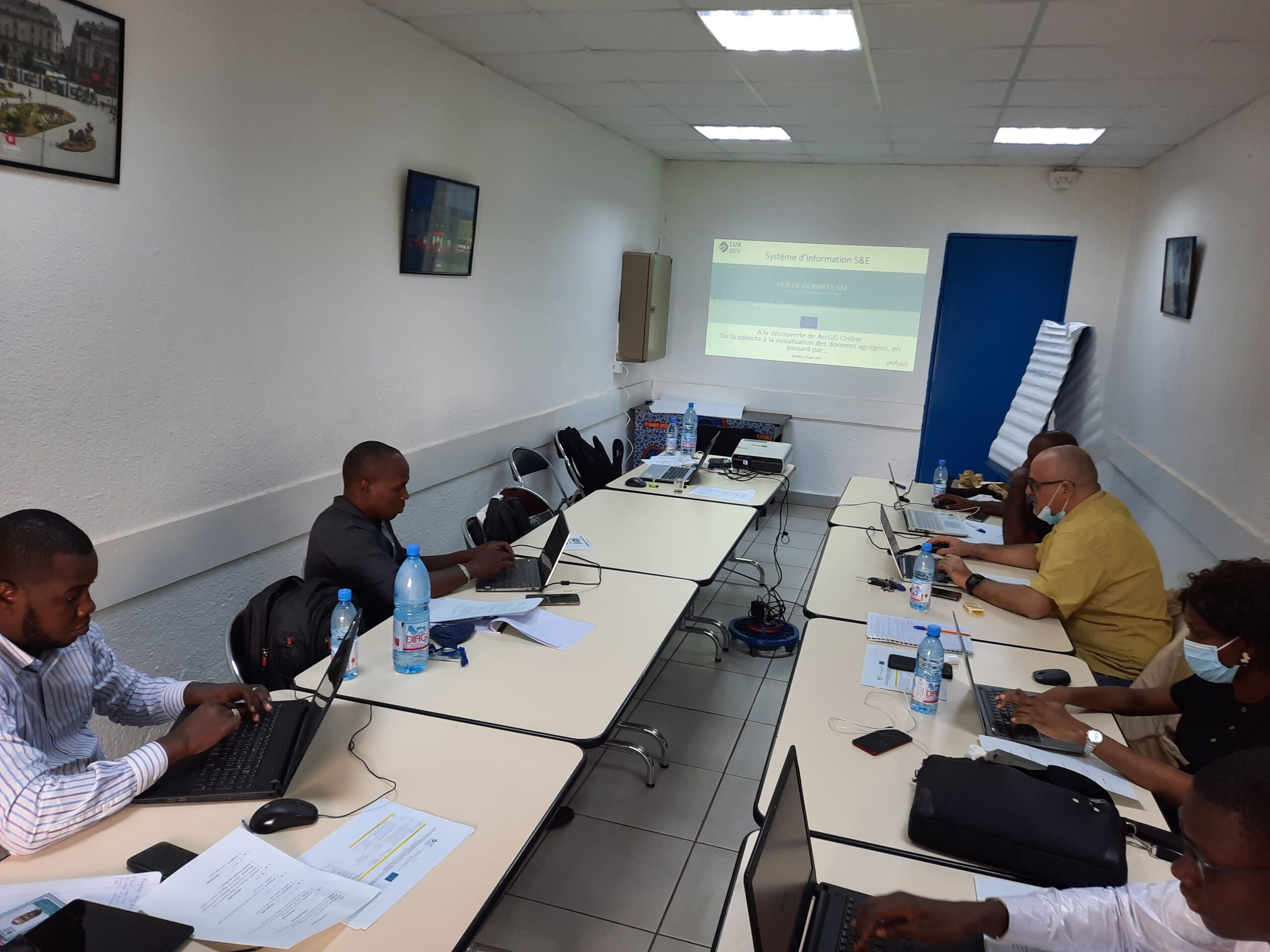
For the system to last, the ADEL team needed to be able to run it on their own. Training covered both everyday data entry and the management of the system as a whole. A user guide and a management manual were also prepared, so the team can refer back to them in their daily work.
The most lasting result was the transfer of skills. After two years of on-the-job coaching, the M&E officers trained through the program became trainers themselves. Today they support geo-activation processes with ArcGIS, KoboToolbox and other tools in other national and international programs.
A few years later, LuxDev called on them as trainers for the DigiFIT project in Senegal. Knowledge built in Gao and Timbuktu is now being shared across the region, which is what good knowledge management is for.
What this means on the ground
For communities
Support for farmers’ organizations, jobs for young people and local social services becomes visible on the map. This makes it easier to see where help is arriving and where gaps remain.
For municipalities and partners
Shared, accessible information supports transparency. Municipalities and partners can follow the program’s progress and take part in discussions with a clearer view of the facts.
For the program
Decisions can rest on up-to-date evidence rather than on scattered reports. And because lessons are recorded along the way, approaches that work are easier to repeat elsewhere.
Common ground, on a map
In regions facing both economic hardship and the risk of conflict, knowing what works matters. A map does not solve problems on its own, but it helps people see them more clearly and discuss them on common ground.
The lasting value of this work lies in the knowledge management habits it supports: collecting information regularly, sharing it openly and learning from it over time.
Who We’ve Worked With
The Luxembourg Development Cooperation Agency is the official agency responsible for implementing Luxembourg’s bilateral development cooperation programmes. With over 45 years of experience, it operates in around 15 countries across Africa, Asia, Latin America and Europe.
Its mission is to reduce poverty and promote sustainable and inclusive development through projects in key sectors such as governance, education, health, agriculture, digitalisation, and environmental sustainability.
LuxDev works closely with governments, local institutions, civil society and international partners, including the European Commission, to strengthen local capacities and contribute to the achievement of the United Nations Sustainable Development Goals (SDGs)